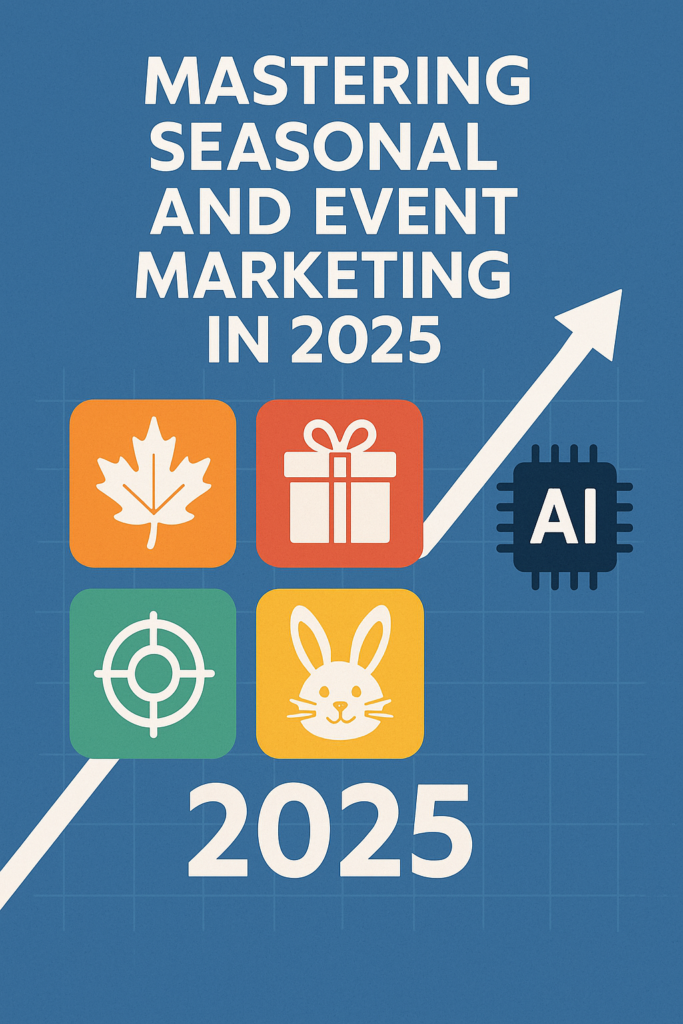
Key Points
Research suggests AI-driven personalization enhances engagement by tailoring campaigns to individual preferences.
It seems likely that hybrid and virtual events will expand reach, with 95.5% of organizers incorporating virtual formats.
The evidence leans toward sustainability being a key consumer expectation, boosting brand reputation.
Micro-occasions, like National Pet Day, offer targeted opportunities for niche audience engagement.
Data-driven strategies and relationship-building through events appear to drive long-term loyalty.
Why Seasonal and Event Marketing Matters
In 2025, seasonal and event marketing capitalizes on key calendar moments to engage consumers at peak receptivity. These strategies are crucial for cutting through the cluttered digital space, leveraging technology and consumer insights to craft impactful, memorable campaigns.
Top Trends to Watch
AI is transforming personalization, predicting consumer behavior for timely promotions. Hybrid and virtual events broaden audience reach, while sustainability aligns with consumer values. Micro-occasions allow brands to target niche groups, and data from events refines future strategies.
Practical Strategies
Plan campaigns around a 2025 marketing calendar, incorporating major holidays and micro-occasions. Use AI for personalized content, host hybrid events, and prioritize eco-friendly practices. Analyze data to optimize campaigns and focus on building relationships through engaging event experiences.
Comprehensive Guide to Mastering Seasonal and Event Marketing in 2025

In 2025, seasonal and event marketing remain powerful strategies for brands aiming to engage audiences, drive sales, and build lasting connections. These approaches capitalize on key moments in the calendar—holidays, cultural events, and niche occasions—when consumer attention and spending peak. With advancements in technology and shifting consumer expectations, marketers must adapt to stay competitive. This detailed guide examines the leading trends and strategies defining seasonal and event marketing in 2025, providing practical insights for crafting effective, memorable campaigns. The Importance of Seasonal and Event Marketing
Seasonal and event marketing tap into moments when consumers are primed to engage, whether through holiday shopping, cultural celebrations, or industry-specific events. These campaigns drive immediate sales and foster long-term brand loyalty by aligning with consumer emotions and behaviors. In 2025, the global events industry is projected to grow to $1.35 trillion, reflecting a 9.7% annual growth rate, underscoring the significant opportunities for marketers (Eventible - Event Trends 2025). By leveraging these moments strategically, brands can stand out in a competitive digital landscape.
Key Trends Shaping Seasonal and Event Marketing
1. AI-Driven Personalization
Artificial intelligence (AI) is reshaping seasonal and event marketing by powering deeply personalized experiences. By analyzing data such as purchase histories, online behavior, and social media engagement, AI delivers customized promotions. For example, during busy shopping seasons, AI forecasts consumer preferences and recommends relevant products, driving higher conversion rates. In event marketing, AI enhances attendee experiences by suggesting tailored sessions or networking opportunities based on individual interests. This aligns with the 2025 personalization trend, with 80% of consumers favoring customized experiences (HubSpot - Marketing Trends 2025).
AI Application | Strategy | Impact |
|---|---|---|
Predictive Analytics | Use AI to forecast consumer behavior | Increases campaign relevance |
Attendee Matchmaking | Match event attendees based on interests | Enhances event engagement |
Personalized Content | Deliver tailored promotions | Boosts conversion rates |
2. The Rise of Hybrid and Virtual Events
Hybrid and virtual events have become essential in event marketing, providing flexibility to connect with varied audiences. Hybrid events blend in-person and virtual components for greater inclusivity, while fully virtual events enable global reach. Data indicates 95.5% of organizers incorporate virtual events into their strategies, with webinars proving highly effective for lead generation (Superside - Event Marketing Trends). For seasonal campaigns, brands can leverage virtual events like online workshops or live-streamed product launches to captivate remote audiences.
3. Sustainability as a Core Value
Hybrid and virtual events are now cornerstones of event marketing, offering versatile ways to engage diverse audiences. Hybrid events merge in-person and online experiences to promote inclusivity, while virtual events facilitate worldwide participation. Studies show 95.5% of organizers integrate virtual events into their plans, with webinars excelling in lead generation (Superside - Event Marketing Trends). For seasonal campaigns, brands can utilize virtual events, such as online workshops or live-streamed product launches, to connect with remote audiences effectively.
4. Leveraging Micro-Occasions
Micro-occasions—smaller, niche events like National Pet Day (April 11) or World Book Day (April 23)—offer targeted opportunities to engage specific audiences. These occasions allow brands to create unique campaigns that stand out from major holiday promotions. For example, a pet brand could launch a campaign around National Pet Day, offering exclusive discounts or hosting a virtual pet adoption event. The 2025 retail calendar highlights numerous micro-occasions that brands can leverage for creative marketing (Snipp - Retail Calendar).
Micro-Occasion
Date
Campaign Idea
National Pet Day
April 11
Pet product discounts, virtual adoption event
World Book Day
April 23
Book-themed giveaways, author webinars
National Wine Day
May 25
Wine tasting events, exclusive promotions
5. Data-Driven Decision Making
Events and seasonal campaigns generate valuable first-party data, which can refine future strategies. By analyzing attendee behavior, purchase patterns, and engagement metrics, brands gain insights into consumer preferences. This data can inform product development, optimize campaign timing, and improve targeting. For example, data from a back-to-school campaign can reveal which products resonated most, guiding next year’s strategy. Events are also key for sponsor ROI, providing actionable data to enhance partnerships (vFairs - Event Trends).
6. Rebuilding and Strengthening Relationships
Post-pandemic, events are critical for rebuilding relationships with customers, partners, and internal teams. Seasonal events, such as holiday-themed gatherings or industry summits, foster meaningful interactions that build trust and loyalty. Research indicates that 24% of event planners prioritize relationship-building in 2025, emphasizing clear communication and collaborative technology to bridge gaps (Cvent - Event Trends).
7. The Growth of Field Marketing Events
Smaller, regional events are gaining traction, offering intimate and cost-effective engagement opportunities. Field marketing events, such as pop-up shops or local workshops, allow brands to connect with communities and test new ideas. These events are particularly effective for seasonal campaigns, as they can be tailored to local traditions or consumer behaviors, enhancing relevance and impact.
8. All-in-One Event Platforms
The complexity of managing events has driven the adoption of all-in-one event technology platforms. These tools streamline registration, analytics, and attendee engagement, reducing administrative burdens. For seasonal marketing, such platforms enable efficient management of multiple campaigns across various occasions, ensuring seamless execution and real-time performance insights (vFairs - Event Trends).
9. DIY Event Setups
User-friendly event management tools are empowering marketers to create DIY events, offering greater control and flexibility. These tools allow brands to produce professional events without heavy reliance on external vendors, making them ideal for quick, seasonal campaigns. For example, a brand could use a DIY platform to host a virtual event for a micro-occasion, reducing costs and time to market.
Planning Your 2025 Seasonal Marketing Calendar
A well-planned seasonal marketing calendar is essential for success. Key dates in 2025 include major holidays like Easter (April 20), Father’s Day (June 15), and Juneteenth (June 19), alongside micro-occasions such as National Donut Day (June 6) or World Social Media Day (June 30) (Snipp - Retail Calendar). To create an effective calendar:
Identify key moments: Map out holidays and micro-occasions relevant to your audience.
Align with consumer behavior: Time campaigns to coincide with peak engagement periods.
Incorporate trends: Use AI, sustainability, and hybrid formats to enhance campaigns.
Analyze and iterate: Leverage data from past campaigns to optimize future efforts.
For example, a retailer could launch a sustainability-focused campaign for Earth Day, using AI to personalize offers, or host a hybrid event for National Wine Day, combining in-person tastings with virtual streams.
Conclusion
Mastering seasonal and event marketing in 2025 requires a strategic blend of technology, creativity, and consumer insight. By embracing AI-driven personalization, hybrid events, sustainability, and micro-occasions, brands can create campaigns that resonate deeply and drive results. Leveraging data and focusing on relationship-building further enhance campaign impact, while all-in-one platforms and DIY tools streamline execution. With a well-planned marketing calendar, brands can capitalize on key moments throughout the year, ensuring both immediate success and long-term loyalty in a competitive digital landscape.